Feb 19, 2024
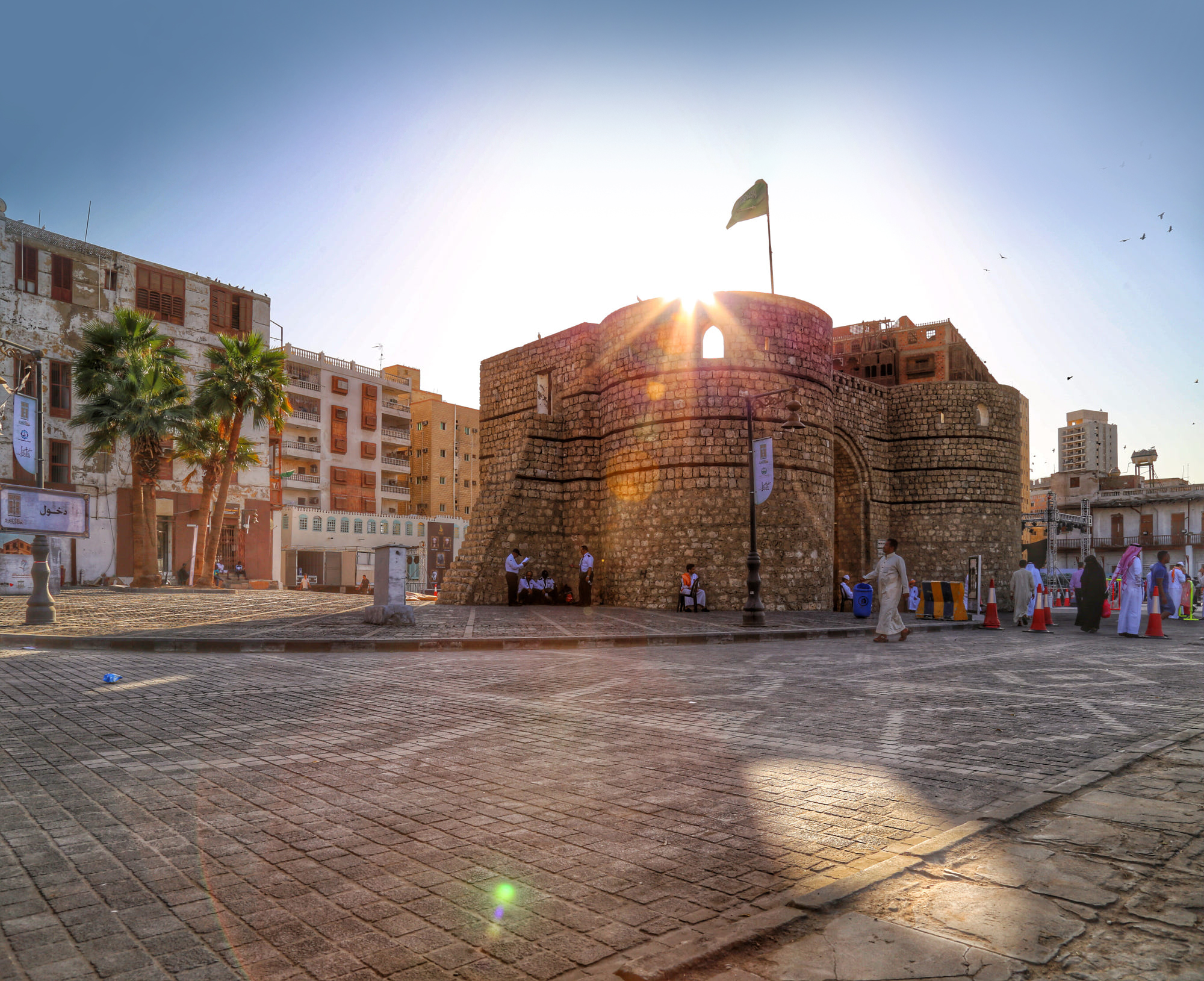
The interior design in Saudi homes often reflects a blend of traditional elements with the foundations of modern aesthetics.
Designers in Saudi Arabia tend to adopt a specific theme around which the entire design concepts are built, in order to provide comfortable spaces that follow modern trends in design while maintaining a balance between luxury and practicality.
Below are some tips to enhance the interior decoration design of Saudi homes:
Islamic art and calligraphy hold significant cultural value in the interior design of Saudi Arabia. Integrate elements such as Arabic calligraphy, geometric patterns, and motifs in comfortable spaces, wall art, rugs, or even on decorative pieces like vases or lamps.
Traditional influences on modern trends in interior design are reflected through various techniques, including exterior facades, entrance portals and gates, interior courtyards, mosque design, as well as details in interior walls and ceilings. Additionally, elements like architectural details, lighting fixtures, courtyard gardens, interior furnishings, and custom art installations all showcase this blend of tradition and modernity.
Interior design in Saudi Arabia also dictates using rich fabrics for furniture in Saudi Arabia can add a touch of luxury, comfort, and elegance to interior comfortable spaces. Here are some popular choices and tips for incorporating rich fabrics into furniture design: Choose luxurious fabrics like silk, velvet, or brocade for curtains, cushions, and upholstery. Rich fabrics not only add elegance but also provide a sense of comfort and opulence.
You also have options of chenille and damask for upholstery on furniture pieces, patterned jacquard to add depth and dimension to the interior décor, and tapestry fabrics to accent chairs or benches.
Earthy tones such as beige, brown, and terracotta are popular choices for wall colours in Saudi homes. Accentuate these neutral tones with vibrant hues like royal blue, emerald green, or deep red in accessories, rugs, or artwork to add visual interest.
By incorporating earthy tones into the interior design of Saudi homes, you can create a harmonious and welcoming environment that celebrates the natural beauty of the surroundings while providing a sense of comfort and tranquillity.
Traditional Saudi furniture, such as elaborately carved wooden pieces or brass embellished items, can add character to the interior. Mix traditional pieces with modern trends and furniture for a balanced look that pays homage to Saudi heritage while embracing contemporary interior design with Saudi aura.
Incorporating traditional furniture into Saudi homes can add a sense of heritage, cultural richness, and elegance in Saudi Home Design.
Accomplishing the interior design in Saudi suggests creating a Majlis-style seating area in Saudi Arabia can be a wonderful way to embrace traditional Arab culture and hospitality while providing a cozy and inviting space for socializing and relaxation.
Designate comfortable spaces for a majlis-style seating area, which typically consists of floor cushions or low sofas arranged around a central coffee table. This setup encourages socialization and reflects traditional influence Saudi hospitality.
Incorporate natural materials like wood, stone, and marble into your home decor. Wooden furniture with intricate carvings or stone accents can add a touch of authenticity and warmth to the interior.
According to the modern trends of the interior design in Saudi, integrating these factors into the décor ensures providing comfortable living spaces.
Lighting plays a crucial role in the interior design of Saudi Arabia, influencing the ambiance, functionality, and aesthetics of a space. Incorporate a combination of ambient, task, and accent lighting to create a layered effect that enhances the ambiance of the space. Consider installing ornate chandeliers or pendant lights with Arabic-inspired designs for a touch of sophistication.
Lighting can create visual interest and depth within a space by playing with shadows, contrasts, and layers of illumination. As well, it defines different zones within an open-concept space and create a sense of flow and cohesion.
According to the interior design in Saudi, if space permits, consider adding a courtyard or indoor garden to your home as it will guarantees comfortable spaces for the daily activities of your family. This also provides a tranquil retreat and promotes natural ventilation, which is particularly beneficial in Saudi Arabia's climate.
Moreover, in modern trends lexicon, adding a courtyard to place will influence elegance in Saudi home design and more comfortable living spaces.
Respect for privacy and modesty is essential in the interior design of Saudi and their social culture. Ensure that your interior design provides adequate privacy through the use of curtains, screens, or partitions, especially in areas where family members and guests gather.
Applying Modern Trends to achieve privacy could create comfortable spaces, and at the same time ensure elegance in Saudi home design.
Showcase family heirlooms, antique artifacts, or traditional crafts as decorative pieces to infuse your home with personal history and cultural significance.
Traditional influences inspire elegance in Saudi home design as they constitute a sense of uniqueness to your house.
By incorporating these tips, you can create an inviting and culturally enriched interior design that reflects the unique heritage of Saudi Arabia while embracing contemporary aesthetics.
And to know more about home hacks and the best real estate options in Riyadh and all around Saudi Arabia, contact us at Mada Properties to provide you with the best deals in the market.
Stay informed with expert-written articles and the latest trends in the real estate market.
March 25, 2025
In a move reflecting Saudi Arabia’s commitment to environmental protection and biodiversity conservation, Saudi officials announced the relocation of a global project in the futuristic city of Neom due to the discovery of a rare plant species found exclusively in that location. This decision came under the direct order of HRH Crown Prince Mohammed bin Salman, emphasizing the priority of environmental conservation in Saudi Vision 2030.
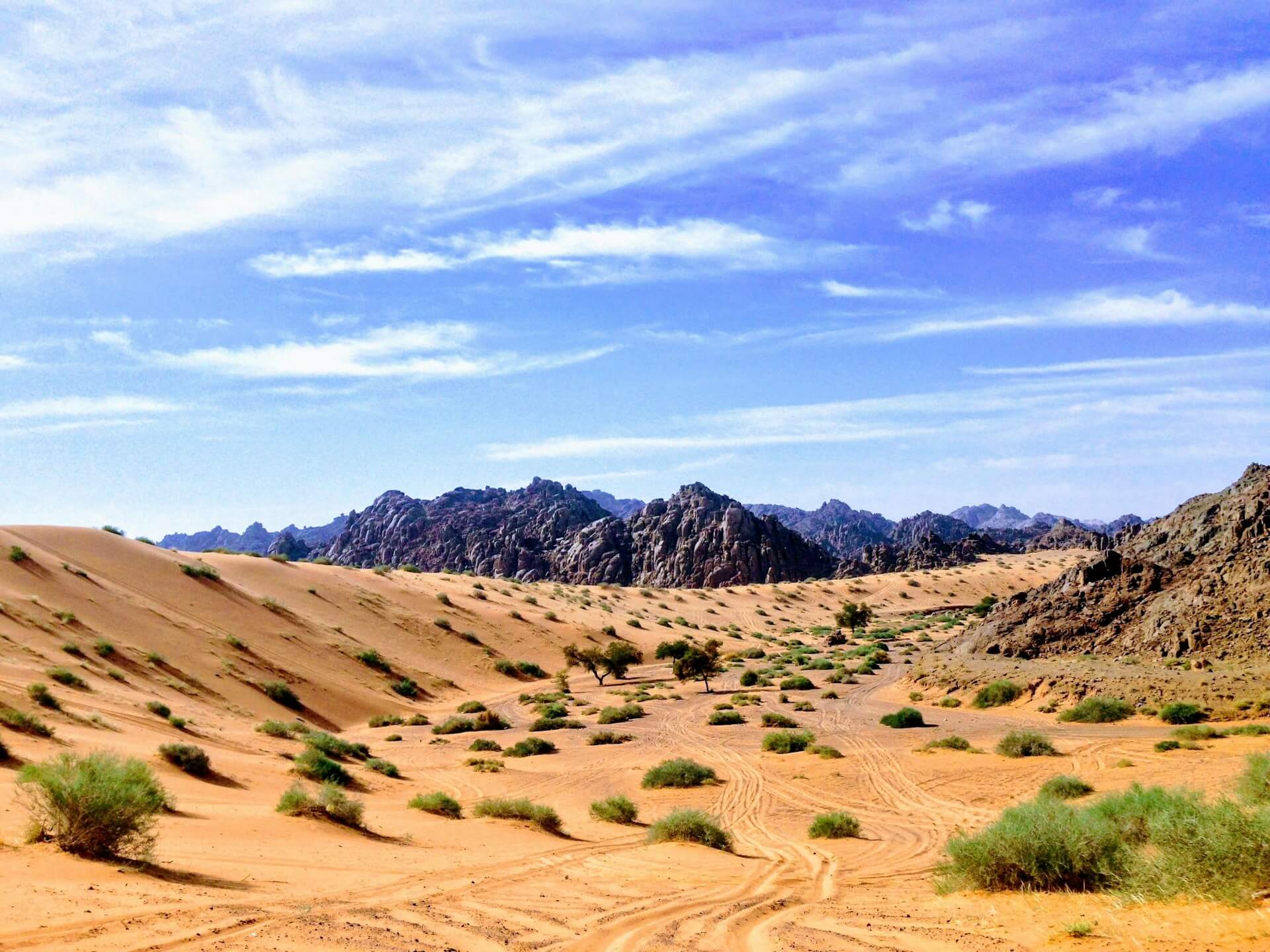
During the planning of a luxury resort in one of Neom’s valleys, experts discovered a rare plant species that grows only in that mountainous area and had never been documented elsewhere in the world. This placed the team in a difficult position: proceed with the massive investment project or protect this unique plant.
As recounted by Prince Abdulaziz bin Turki Al-Faisal, Saudi Minister of Sports, on the program "Hikayat Waad" on MBC, the Crown Prince immediately ordered the project to be relocated and the original site to be turned into a natural reserve to protect the plant. The species was officially registered under the name "Neom", honoring the project that sacrificed financial gains for environmental preservation.
Neom adopts a unique environmental philosophy, aiming to dedicate 95% of its land as protected natural reserves, making it a model for sustainable development that balances urbanization and nature conservation. Key initiatives include:
The Neom plant story is not the only example of Saudi leadership’s environmental dedication. Bandar Al-Khorayef, Minister of Industry and Mineral Resources, shared another instance where the Crown Prince rejected a mining investment in a protected area, humorously remarking:
"Did you search the entire country and only find this spot?"
This led to a revision of Saudi Arabia’s investment map to exclude protected zones.
The story of the rare Neom plant is not just an isolated event but a powerful statement from Saudi Arabia that true development does not come at nature’s expense. While other nations prioritize short-term economic gains over the environment, the Kingdom sets a global example in combining economic growth with ecological sustainability, reinforcing its role as a pioneer in protecting the planet for future generations.
March 23, 2025
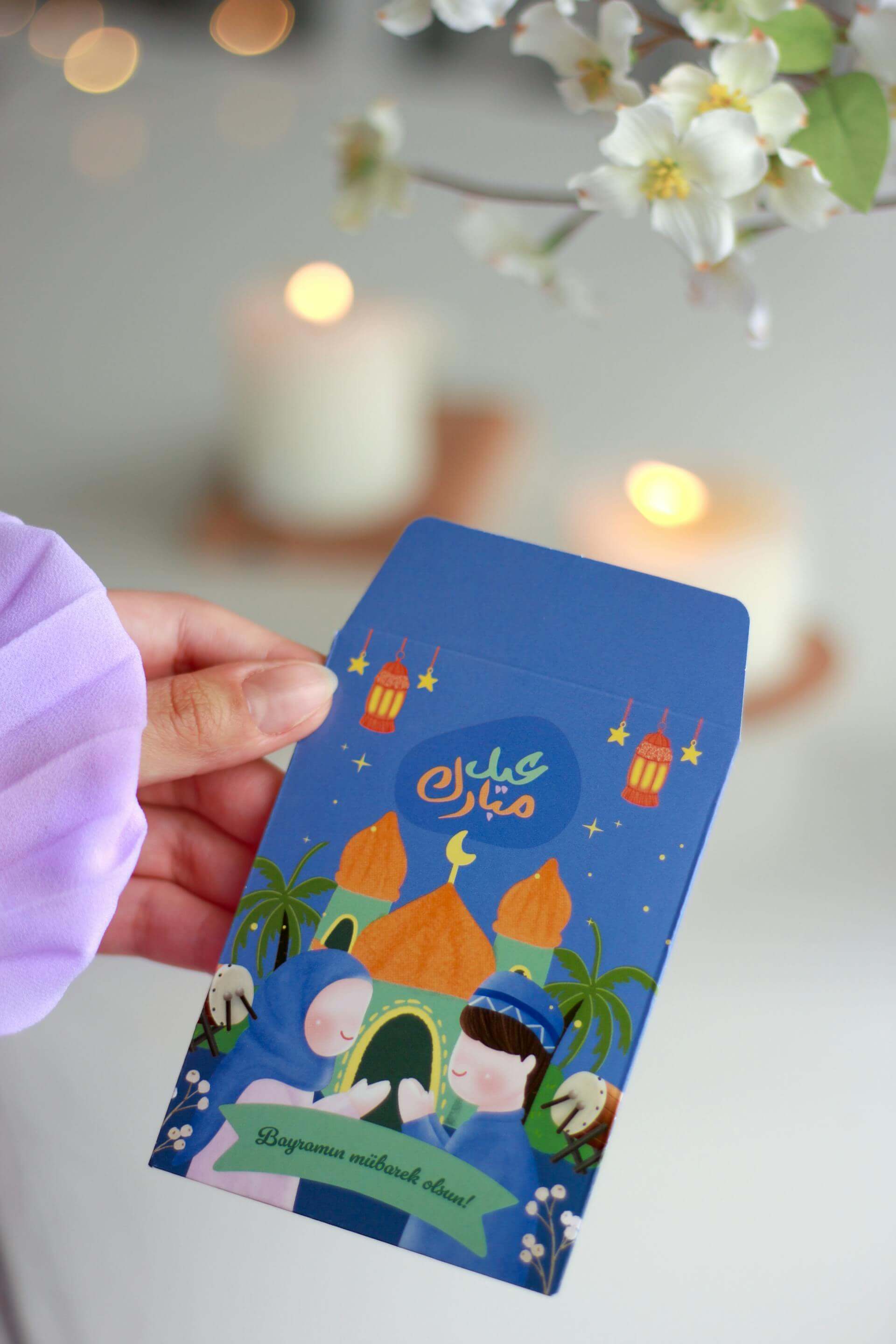
Eid al-Fitr is a joyous religious and social occasion that marks the end of the holy month of Ramadan. Families and friends come together to celebrate, and Saudi Arabia stands out as a prime tourist destination during this time. With its diverse attractions ranging from historical sites to natural wonders and entertainment hubs, the Kingdom offers an unforgettable holiday experience. In this article, we’ll explore the best tourist destinations and activities to enjoy during Eid al-Fitr 2025.
As the capital of Saudi Arabia, Riyadh is a city that blends modernity with tradition. It boasts a variety of tourist attractions, including:
A breathtaking natural wonder offering stunning views from the top of the Tuwaiq Escarpment.
A historic castle dating back to the 19th century, symbolizing the unification of the Kingdom.
A skyscraper featuring a luxury shopping mall, fine dining restaurants, and panoramic city views.
A must-visit for history enthusiasts, showcasing Saudi Arabia’s rich heritage from ancient times to the modern era.
Known for its stunning beaches and rich culture, Jeddah is a perfect destination for Eid celebrations:
A mosque that appears to float on the Red Sea, offering a serene and picturesque setting.
A family-friendly waterfront with restaurants, cafes, and recreational activities.
A UNESCO World Heritage Site featuring traditional houses adorned with intricate wooden balconies (Mashrabiyas).
AlUla is one of Saudi Arabia’s most iconic destinations, combining ancient history with breathtaking landscapes:
An archaeological site with Nabatean tombs carved into rock formations.
A tranquil retreat surrounded by palm trees and natural springs.
A unique rock formation resembling an elephant, perfect for photography.
Abha’s mild climate and stunning scenery make it a favorite for nature lovers:
The highest peak in Saudi Arabia, offering mesmerizing views of mist-covered mountains.
A heritage village showcasing traditional architecture and local crafts.
A family-friendly park with recreational activities and scenic walking trails.
Located off the coast of Jazan, the Farasan Islands are a haven for beach and marine enthusiasts:
Al-Ahsa is renowned for its lush palm groves and rich history, recognized as a UNESCO World Heritage Site:
The largest palm oasis in the world, home to over 2.5 million palm trees.
Natural caves formed by erosion, perfect for exploration.
A traditional market offering local products and handicrafts.
Tabuk, in the north of Saudi Arabia, is known for its historical and natural attractions:
Dammam is famous for its beaches and modern shopping centers:
An artificial island with a zoo, amusement park, and family-friendly activities.
A waterfront area ideal for walking, cycling, and picnics.
One of the largest shopping centers in the region, featuring a variety of stores and restaurants.
Taif’s moderate climate and natural beauty make it a popular destination for families:
Umluj is known for its golden beaches and crystal-clear waters, making it a paradise for beach lovers:
In conclusion, Saudi Arabia is a comprehensive tourist destination offering diverse experiences for all tastes. Whether you’re seeking relaxation on pristine beaches, exploring ancient history, or embarking on natural adventures, Eid al-Fitr 2025 is the perfect opportunity to discover the treasures of the Kingdom. Plan your trip now and create unforgettable memories with your loved ones!
March 20, 2025
In a new step reflecting Saudi Arabia's commitment to achieving the goals of Vision 2030, the Ministry of Environment, Water, and Agriculture announced the launch of five major investment opportunities in the agricultural sector in the Al-Baha region. These opportunities, announced through the "Furas" platform, aim to enhance self-sufficiency in agricultural products, increase local production, support food security, and attract both local and international investments.
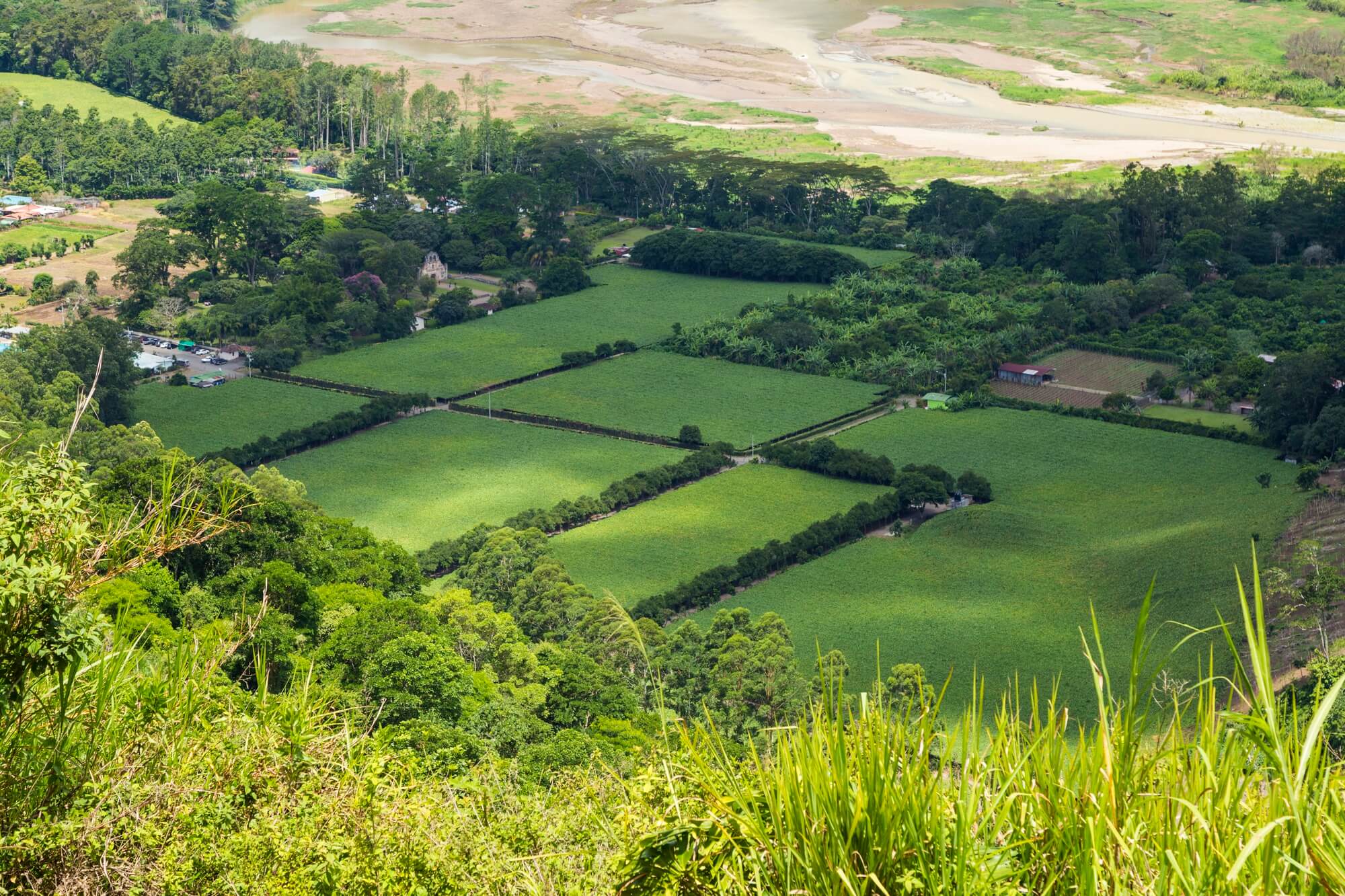
The opportunities include the establishment of an integrated agricultural city dedicated to cultivating prickly pear (cactus fruit), as well as four agricultural cities specialized in growing coffee (Arabica) trees. According to the ministry's statement, over 2.2 million square meters will be allocated for the prickly pear agricultural city, while the coffee cultivation cities will span more than 2.3 million square meters in the Baljurashi governorate of the Al-Baha region, which boasts an ideal climate and environment for these high-quality crops.
Through these projects, the Kingdom aims to achieve several strategic goals, including:
This initiative aligns with the Kingdom's efforts to diversify income sources and reduce dependence on oil, with the agricultural sector being one of the key pillars for achieving this goal. These projects also reflect Saudi Arabia's commitment to sustainable economic development and strengthening its position as a regional hub for agricultural investment.
These investment opportunities represent a significant step towards enhancing the agricultural sector in Saudi Arabia, contributing to food security and supporting the national economy. Through these projects, Saudi Arabia demonstrates its commitment to achieving Vision 2030 by diversifying the economy and creating promising investment opportunities. This move not only supports the agricultural sector but also reinforces the Kingdom's position as a leading investment destination in the region.