Oct 13, 2023
Historical and heritage properties:
Historical and heritage properties are those properties that hold historical and cultural value for a specific country. Their significance lies in reflecting the development of civilization and enhancing the cultural identity of the region. These properties are relatively old, requiring continuous attention and maintenance to preserve their charm. To ensure the preservation of these important historical elements, various laws and regulations have been established to regulate historical property renovation and restoration.
Architectural conservation and reuse:
Historical building restoration:
Repairing historical properties involves restricted steps to preserve the historical elements and details of the building, along with renovating the structure and facilities to meet modern needs. There are several steps in restoring historical landmarks including:
● Assessment and Analysis:
The assessment of the building's condition, identification of damages, and determination of the materials needed for restoration are carried out through an accurate process that preserves traditional methods and techniques.
● Structural Reinforcement:
strengthening and repairing walls, columns, and roofs, materials for restoration are chosen to be consistent with the old building, preserving authenticity and durability at the same time.
● Restoration of Historical Elements:
Precisely restore and reproduce original architectural elements, such as windows and doors, using traditional methods.
● Updating Services:
Updating facilities in a way that complies with modern safety and comfort requirements.
● Preserving Color and Style:
Preserving authenticity, materials and colors that are compatible with the original building style are used, while maintaining its interior and exterior design.
• Minimal Interventions:
Refrain from making substantial alterations to safeguard the historical essence of the building.
In fact, historic building rehabilitation requires special expertise and technical knowledge to preserve their heritage and historical value. Collaborating with experts in various fields involved in this process is advisable.
Revitalizing heritage buildings:
Adaptive reuse of historic structures aims to utilize abandoned or unused historical spaces in useful new ways while preserving historical architecture value of the building.
Several approaches for investing and benefiting from historical and heritage properties include:
● Converting Historical Buildings into Residences: Historical properties can be transformed into residential units, requiring internal redesign and updates to meet current requirements.
● Converting Historical Buildings into Museums or Cultural Centers: These buildings can host cultural and educational events suitable for the location and its history. Proper equipment for display and interaction is necessary.
● Converting Historical Buildings into Restaurants or Cafés: To provide a unique dining or coffee experience in a historical atmosphere.
● Converting Historical Buildings into Shared Workspaces: By renovating historical buildings to provide space for offices and necessary facilities, the historical value of the place is preserved.
Before heritage building renovation, a deep assessment and analysis of the building's condition must be conducted to ensure the project's viability. Also, an appropriate conversion plan must be designed to ensure the renovation takes place without damaging the original structure. Of course, experts and specialists should be consulted to carry out the conversion professionally.
Preserving historical architecture:
Sustainable heritage renovation is crucial for preserving historical architectural elements. Certain steps can be taken to implement heritage preservation and renovation including:
● Study and Understanding of Architectural History: Conduct a detailed study of the property's history, including methods, details, and materials used in construction to understand its historical value.
● Preserving Original Elements: Preserve original architectural elements as much as possible, avoiding radical changes.
● Using Appropriate Materials: Use materials that are compatible with historical architecture to maintain aesthetics and architectural harmony.
● Preserving Decorative Details: Historical properties are known for their intricate and unique details, which should be preserved and reproduced with accuracy when necessary. Craftsmen and specialists can be employed for these tasks.
● Maintaining Overall Architectural Harmony: Preserve coordination among different parts of the property to maintain visual balance.
Sustainable Renovation of Heritage Properties:
Sustainable heritage renovation is an effective approach for achieving environmental and economic benefits while preserving historical and cultural values. Here are some tips related to sustainable renovation of heritage properties:
Examples of historical landmark restoration:
Given the cultural and social importance of historical properties worldwide, significant efforts have been made to renovate and preserve them in various parts of the world. Examples about redevelopment of historic properties include:
● Renovation of the famous Louvre Museum in Paris.
● Restoration of the Palace of Versailles in France.
● Renovation of the United States Capitol in Washington, D.C.
● Restoration of Big Ben in London.
● Renovation of the Colosseum in Rome.
● Restoration of the Acropolis in Athens.
● Renovation of Ottoman palaces in Istanbul.
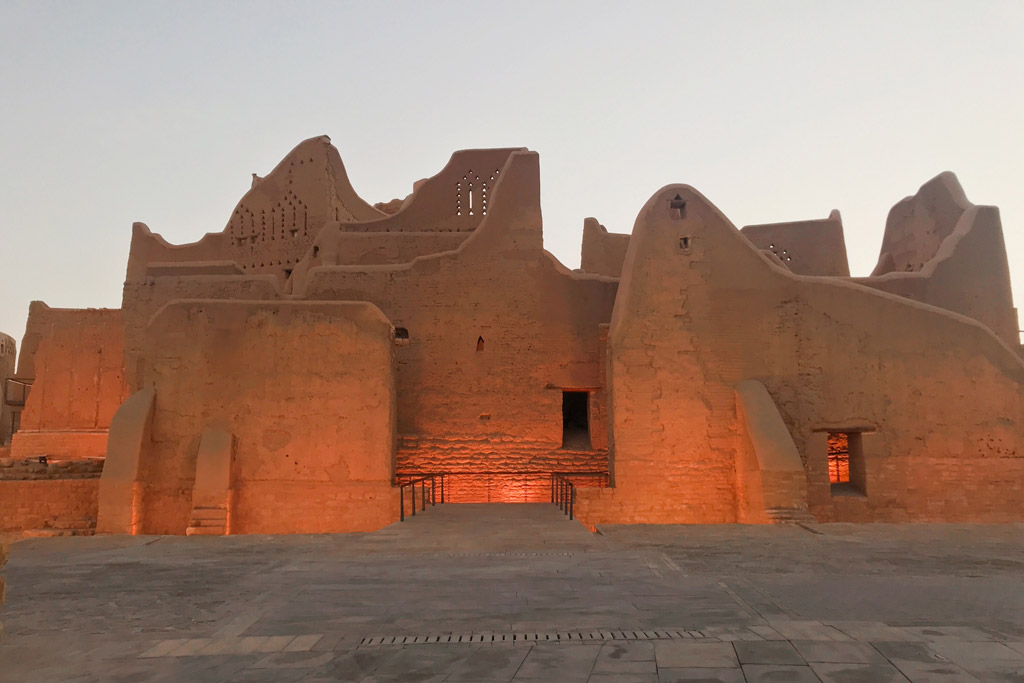
● Restoration of the historic district in Saudi Arabia.
Investment in Historical Properties:
Investing in historical properties can be done in various ways. If managed correctly, balancing historical and economic values, the returns on investment can be very high. Common investment methods include:
Legal considerations are vital in this investment, and obtaining necessary permits and approvals from relevant authorities is essential.
Historical and heritage properties have a significant importance, as they reflect the history and civilization of the country where they exist. Conservation of historic structures is considered a duty for the current generation to pass them on to the next generation to ensure their survival and permanence. This can be accomplished by conserving the historical features of heritage properties, enhancing its amenities, reinforcing its structures, and improving its infrastructure.
Stay informed with expert-written articles and the latest trends in the real estate market.
March 25, 2025
In a move reflecting Saudi Arabia’s commitment to environmental protection and biodiversity conservation, Saudi officials announced the relocation of a global project in the futuristic city of Neom due to the discovery of a rare plant species found exclusively in that location. This decision came under the direct order of HRH Crown Prince Mohammed bin Salman, emphasizing the priority of environmental conservation in Saudi Vision 2030.
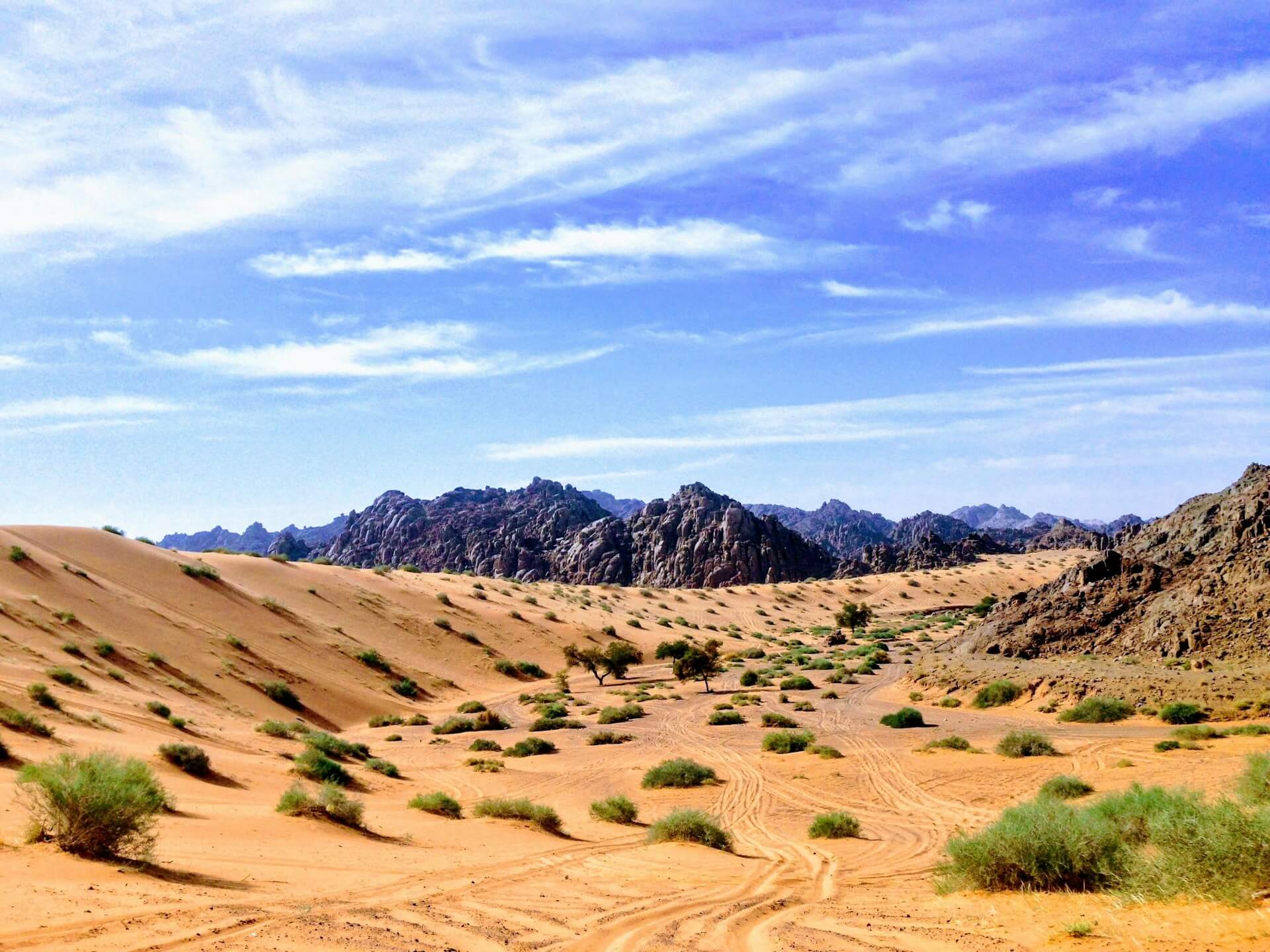
During the planning of a luxury resort in one of Neom’s valleys, experts discovered a rare plant species that grows only in that mountainous area and had never been documented elsewhere in the world. This placed the team in a difficult position: proceed with the massive investment project or protect this unique plant.
As recounted by Prince Abdulaziz bin Turki Al-Faisal, Saudi Minister of Sports, on the program "Hikayat Waad" on MBC, the Crown Prince immediately ordered the project to be relocated and the original site to be turned into a natural reserve to protect the plant. The species was officially registered under the name "Neom", honoring the project that sacrificed financial gains for environmental preservation.
Neom adopts a unique environmental philosophy, aiming to dedicate 95% of its land as protected natural reserves, making it a model for sustainable development that balances urbanization and nature conservation. Key initiatives include:
The Neom plant story is not the only example of Saudi leadership’s environmental dedication. Bandar Al-Khorayef, Minister of Industry and Mineral Resources, shared another instance where the Crown Prince rejected a mining investment in a protected area, humorously remarking:
"Did you search the entire country and only find this spot?"
This led to a revision of Saudi Arabia’s investment map to exclude protected zones.
The story of the rare Neom plant is not just an isolated event but a powerful statement from Saudi Arabia that true development does not come at nature’s expense. While other nations prioritize short-term economic gains over the environment, the Kingdom sets a global example in combining economic growth with ecological sustainability, reinforcing its role as a pioneer in protecting the planet for future generations.

March 23, 2025
Eid al-Fitr is a joyous religious and social occasion that marks the end of the holy month of Ramadan. Families and friends come together to celebrate, and Saudi Arabia stands out as a prime tourist destination during this time. With its diverse attractions ranging from historical sites to natural wonders and entertainment hubs, the Kingdom offers an unforgettable holiday experience. In this article, we’ll explore the best tourist destinations and activities to enjoy during Eid al-Fitr 2025.
As the capital of Saudi Arabia, Riyadh is a city that blends modernity with tradition. It boasts a variety of tourist attractions, including:
A breathtaking natural wonder offering stunning views from the top of the Tuwaiq Escarpment.
A historic castle dating back to the 19th century, symbolizing the unification of the Kingdom.
A skyscraper featuring a luxury shopping mall, fine dining restaurants, and panoramic city views.
A must-visit for history enthusiasts, showcasing Saudi Arabia’s rich heritage from ancient times to the modern era.
Known for its stunning beaches and rich culture, Jeddah is a perfect destination for Eid celebrations:
A mosque that appears to float on the Red Sea, offering a serene and picturesque setting.
A family-friendly waterfront with restaurants, cafes, and recreational activities.
A UNESCO World Heritage Site featuring traditional houses adorned with intricate wooden balconies (Mashrabiyas).
AlUla is one of Saudi Arabia’s most iconic destinations, combining ancient history with breathtaking landscapes:
An archaeological site with Nabatean tombs carved into rock formations.
A tranquil retreat surrounded by palm trees and natural springs.
A unique rock formation resembling an elephant, perfect for photography.
Abha’s mild climate and stunning scenery make it a favorite for nature lovers:
The highest peak in Saudi Arabia, offering mesmerizing views of mist-covered mountains.
A heritage village showcasing traditional architecture and local crafts.
A family-friendly park with recreational activities and scenic walking trails.
Located off the coast of Jazan, the Farasan Islands are a haven for beach and marine enthusiasts:
Al-Ahsa is renowned for its lush palm groves and rich history, recognized as a UNESCO World Heritage Site:
The largest palm oasis in the world, home to over 2.5 million palm trees.
Natural caves formed by erosion, perfect for exploration.
A traditional market offering local products and handicrafts.
Tabuk, in the north of Saudi Arabia, is known for its historical and natural attractions:
Dammam is famous for its beaches and modern shopping centers:
An artificial island with a zoo, amusement park, and family-friendly activities.
A waterfront area ideal for walking, cycling, and picnics.
One of the largest shopping centers in the region, featuring a variety of stores and restaurants.
Taif’s moderate climate and natural beauty make it a popular destination for families:
Umluj is known for its golden beaches and crystal-clear waters, making it a paradise for beach lovers:
In conclusion, Saudi Arabia is a comprehensive tourist destination offering diverse experiences for all tastes. Whether you’re seeking relaxation on pristine beaches, exploring ancient history, or embarking on natural adventures, Eid al-Fitr 2025 is the perfect opportunity to discover the treasures of the Kingdom. Plan your trip now and create unforgettable memories with your loved ones!
March 20, 2025
In a new step reflecting Saudi Arabia's commitment to achieving the goals of Vision 2030, the Ministry of Environment, Water, and Agriculture announced the launch of five major investment opportunities in the agricultural sector in the Al-Baha region. These opportunities, announced through the "Furas" platform, aim to enhance self-sufficiency in agricultural products, increase local production, support food security, and attract both local and international investments.
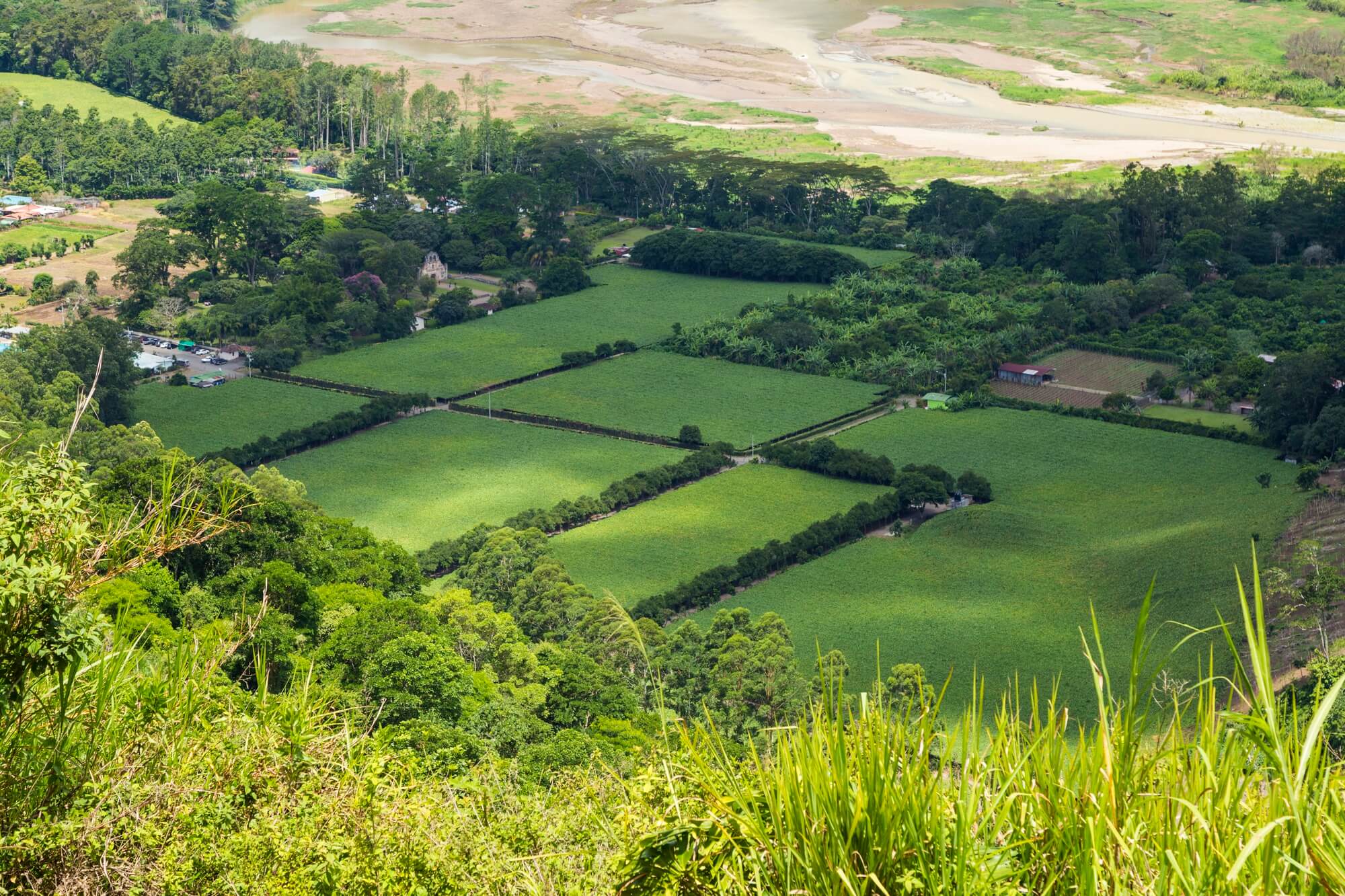
The opportunities include the establishment of an integrated agricultural city dedicated to cultivating prickly pear (cactus fruit), as well as four agricultural cities specialized in growing coffee (Arabica) trees. According to the ministry's statement, over 2.2 million square meters will be allocated for the prickly pear agricultural city, while the coffee cultivation cities will span more than 2.3 million square meters in the Baljurashi governorate of the Al-Baha region, which boasts an ideal climate and environment for these high-quality crops.
Through these projects, the Kingdom aims to achieve several strategic goals, including:
This initiative aligns with the Kingdom's efforts to diversify income sources and reduce dependence on oil, with the agricultural sector being one of the key pillars for achieving this goal. These projects also reflect Saudi Arabia's commitment to sustainable economic development and strengthening its position as a regional hub for agricultural investment.
These investment opportunities represent a significant step towards enhancing the agricultural sector in Saudi Arabia, contributing to food security and supporting the national economy. Through these projects, Saudi Arabia demonstrates its commitment to achieving Vision 2030 by diversifying the economy and creating promising investment opportunities. This move not only supports the agricultural sector but also reinforces the Kingdom's position as a leading investment destination in the region.