Nov 5, 2023
What are smart cities?
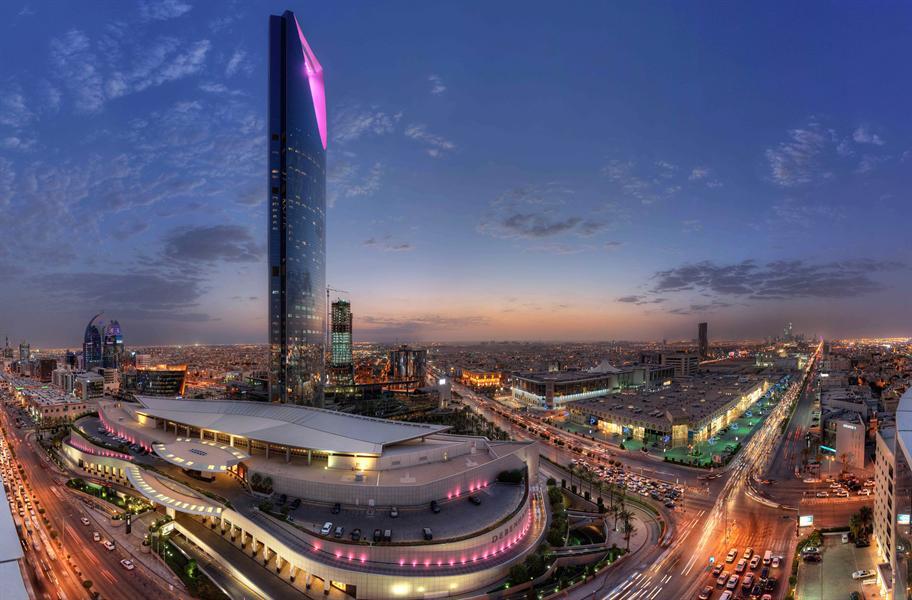
Smart cities in Riyadh aim to utilize modern technology and innovative solutions to enhance the quality of life, promote sustainability, and optimize the use of available resources. Smart cities rely on Information and Communication Technology (ICT) to provide innovative solutions in various sectors, such as transportation, infrastructure, energy, healthcare, and education.
Riyadh Smart City Initiatives:
Since the beginning of 2022, Riyadh Region Municipality has announced the launch of eight initiatives as part of the Riyadh Smart City project, aimed at digital development to enhance the city's international competitiveness. This is in line with Riyadh's Vision 2030 for smart cities. Also, Riyadh has achieved the fourth global rank in the field of technology and its applications among 190 countries worldwide. These initiatives aim to develop a comprehensive modernization by deploying communication and information services and applying them within Saudi society, supporting the transition to a digital economy and a knowledge-based society in order to provide advanced and smart infrastructure in all fields, where services and appropriate content are efficiently and electronically available.
Riyadh Digital Transformation initiative:
This initiative refers to the efforts made by the private sector and the government to apply digital technology in various aspects of life in Riyadh. The aim of this initiative is to enhance the technological capabilities of the Riyadh Municipality, increase its efficiency and quality, and facilitate social, commercial, and governmental services through the use of digital technologies.
Aspects of digital transformation that can be mentioned include:
Riyadh E-Government Services: This refers to the conversion of government services into an electronic system with the aim of making them more accessible to citizens and residents of the city..
There are several initiatives and technological applications that help achieve this goal, including:
● E-Government: The Riyadh e-government provides online government services, allowing citizens and residents to easily complete transactions, such as ID renewal and work permits at any time.
● Smart Applications: The government provides various dedicated applications for government services, such as electronic payment applications and direct communication applications with government entities.
● E-gates: These gates serve as a central interface for accessing government information and services, making it easier for citizens to find the desired information and services efficiently.
Riyadh Smart Transportation Solutions: Aiming at improving the public transportation and reducing traffic jam, here are some solutions being implemented:
● Smart Transportation Applications: These smartphone applications provide real-time schedules for buses, metro, trains, and other public transportation means. They also offer electronic payment options for tickets, along with allowing users to submit their complaints, comments and to provide their feedback.
● Smart Buses: Buses are equipped with modern technologies, such as GPS and tracking systems, making it easier for users to know bus schedules and their respective stops.
● Car sharing: Encouraging carpooling through ride-sharing applications and boosting the use of smart cars aim to reduce the number of cars used and their emission, thus decreasing their negative effect on the environment.
● Public Bike Network: A public bike network has been developed in Riyadh, allowing users to rent smart bikes from designated stations and use them as a means of transportation.
Digital Healthcare: This term refers to the use of technology to improve and facilitate the delivery of healthcare services in an innovative and efficient manner.
Digital healthcare involves several aspects, including:
● Electronic Health Records: These records allow the secure recording, storing, and sharing of patients' health information, enabling quick and convenient access to it when needed.
● Telemedicine: Telemedicine enables online communication with healthcare providers through dedicated applications for consultations, diagnoses, treatment of minor illnesses, and non-urgent conditions. Communication can be conducted via voice, video, or text messages.
● Health Apps: These apps contribute to promoting health awareness and public health. They provide a range of diverse services, such as health monitoring and medication management.
Riyadh Smart Energy Management: It is a part of the digital transformation and a component of Riyadh Smart Infrastructure. It aims to improve energy efficiency and reduce the environmental impact associated with energy consumption. Smart energy management utilizes technology and data to monitor and analyze energy consumption and apply effective measures for performance improvement through:
● Riyadh Smart Grid Systems: These grids utilize smart control and monitoring systems to enhance electricity distribution and manage the electrical network more efficiently and intelligently.
● Smart Meters: These meters provide accurate measurements of energy consumption and continuously transmit the data. They are connected to the electrical grid, allowing consumers and service providers to monitor consumption and analyze the data for better decision-making in energy management.
● Smart Load Management: These systems monitor and control the energy consumption of household and commercial appliances. They enable intelligent regulation of usage to achieve energy savings and alleviate congestion in energy demand.
Riyadh Smart Environmental Sustainability Initiatives:
Prince Mohammed bin Salman bin Abdulaziz Al Saud launched the Riyadh Sustainability Strategy on October 23, 2021, with the aim of transforming Riyadh into one of the most sustainable cities worldwide. This strategy includes more than 68 initiatives divided into six sectors, which are:
Natural Resource Management: This sector includes a number of initiatives, including:
● Protection and development of natural life areas.
● Protection and regulation of agricultural land use.
● Vegetation restoration in Riyadh region.
● Conservation of protected areas in Wadi Hanifa.
● Environmental rehabilitation of Wadi Al-Sulai, Wadi Hanifa, and their rivers.
Waste Management: Waste is a significant environmental issue that affects almost every society. In Riyadh, several initiatives have been organized to address waste management, including:
● Regulating waste disposal in public areas.
● Managing construction and excavation waste.
● Handling hazardous industrial waste.
● Managing Asbestos materials.
Environmental Management and Sustainable Development: This sector includes numerous initiatives due to its significant importance. Here are a few examples:
● Regulating and controlling unplanned activities in Riyadh.
● Applying environmental compliance standards for power generating stations.
● Applying environmental sustainability standards and measuring their indicators.
● Conducting environmental impact assessments for projects.
Climate Change: This sector is supported by initiatives aimed at energy consumption optimization. Additionally, there is an initiative to assess the impacts of climate change on Riyadh and a study of greenhouse gas emissions (GHG).
Air Quality: Air quality is being prioritized through the following measures:
● Monitoring emissions from power generating stations.
● Controlling and treating sources of air pollution.
● Studying the health effects of air pollutants.
Water and Soil Resources: Water and soil resources are given significant attention, and several initiatives have been dedicated to their management. The key initiatives include:
● Utilizing surface water and rainwater.
● Controlling groundwater levels.
● Reusing treated wastewater.
● Managing and treating sewage water.
● Preserving and maintaining drinking water sources and its quality.
The Role of Artificial Intelligence in Smart City Initiatives
In smart city initiatives, it is undeniable that artificial intelligence (AI) plays a crucial role. Smart cities, by their nature, rely on information and communication technology to improve the quality of life and provide the best services to their citizens. AI has previously been used in public supervision to monitor visual distortions through aerial photography, and to tackle the improper disposal of construction waste in neighborhoods. AI can be utilized in various sectors, such as smart traffic management and intelligent medical diagnosis, where the analyses it performs can be beneficial in various fields.
Finally, there is a dedicated and continuous effort to transform Riyadh into a smart city by the year 2030. Riyadh Municipality has taken initiatives to increase the number of beneficiaries from its electronic services by 53%. Additionally, it has worked towards supporting urban development in the city by applying data-driven investment models, such as launching the "Ideas Platform" for residents. This ongoing effort demonstrates Riyadh as a leading example locally, regionally, and globally in keeping up with development and utilizing contemporary technology in a positive manner across all aspects of life, aiming to elevate cities towards a better future.
Stay informed with expert-written articles and the latest trends in the real estate market.
March 25, 2025
In a move reflecting Saudi Arabia’s commitment to environmental protection and biodiversity conservation, Saudi officials announced the relocation of a global project in the futuristic city of Neom due to the discovery of a rare plant species found exclusively in that location. This decision came under the direct order of HRH Crown Prince Mohammed bin Salman, emphasizing the priority of environmental conservation in Saudi Vision 2030.
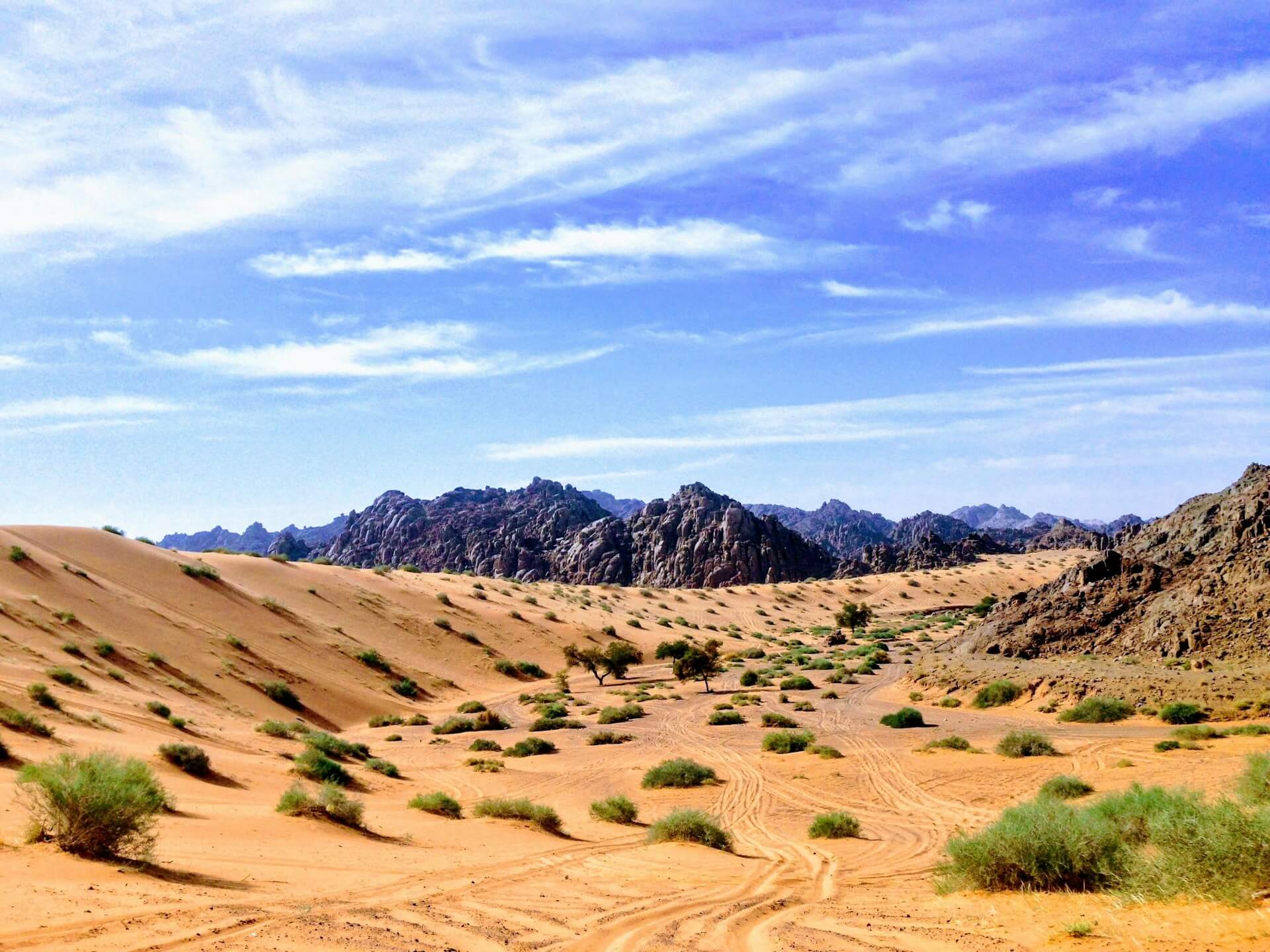
During the planning of a luxury resort in one of Neom’s valleys, experts discovered a rare plant species that grows only in that mountainous area and had never been documented elsewhere in the world. This placed the team in a difficult position: proceed with the massive investment project or protect this unique plant.
As recounted by Prince Abdulaziz bin Turki Al-Faisal, Saudi Minister of Sports, on the program "Hikayat Waad" on MBC, the Crown Prince immediately ordered the project to be relocated and the original site to be turned into a natural reserve to protect the plant. The species was officially registered under the name "Neom", honoring the project that sacrificed financial gains for environmental preservation.
Neom adopts a unique environmental philosophy, aiming to dedicate 95% of its land as protected natural reserves, making it a model for sustainable development that balances urbanization and nature conservation. Key initiatives include:
The Neom plant story is not the only example of Saudi leadership’s environmental dedication. Bandar Al-Khorayef, Minister of Industry and Mineral Resources, shared another instance where the Crown Prince rejected a mining investment in a protected area, humorously remarking:
"Did you search the entire country and only find this spot?"
This led to a revision of Saudi Arabia’s investment map to exclude protected zones.
The story of the rare Neom plant is not just an isolated event but a powerful statement from Saudi Arabia that true development does not come at nature’s expense. While other nations prioritize short-term economic gains over the environment, the Kingdom sets a global example in combining economic growth with ecological sustainability, reinforcing its role as a pioneer in protecting the planet for future generations.
March 23, 2025
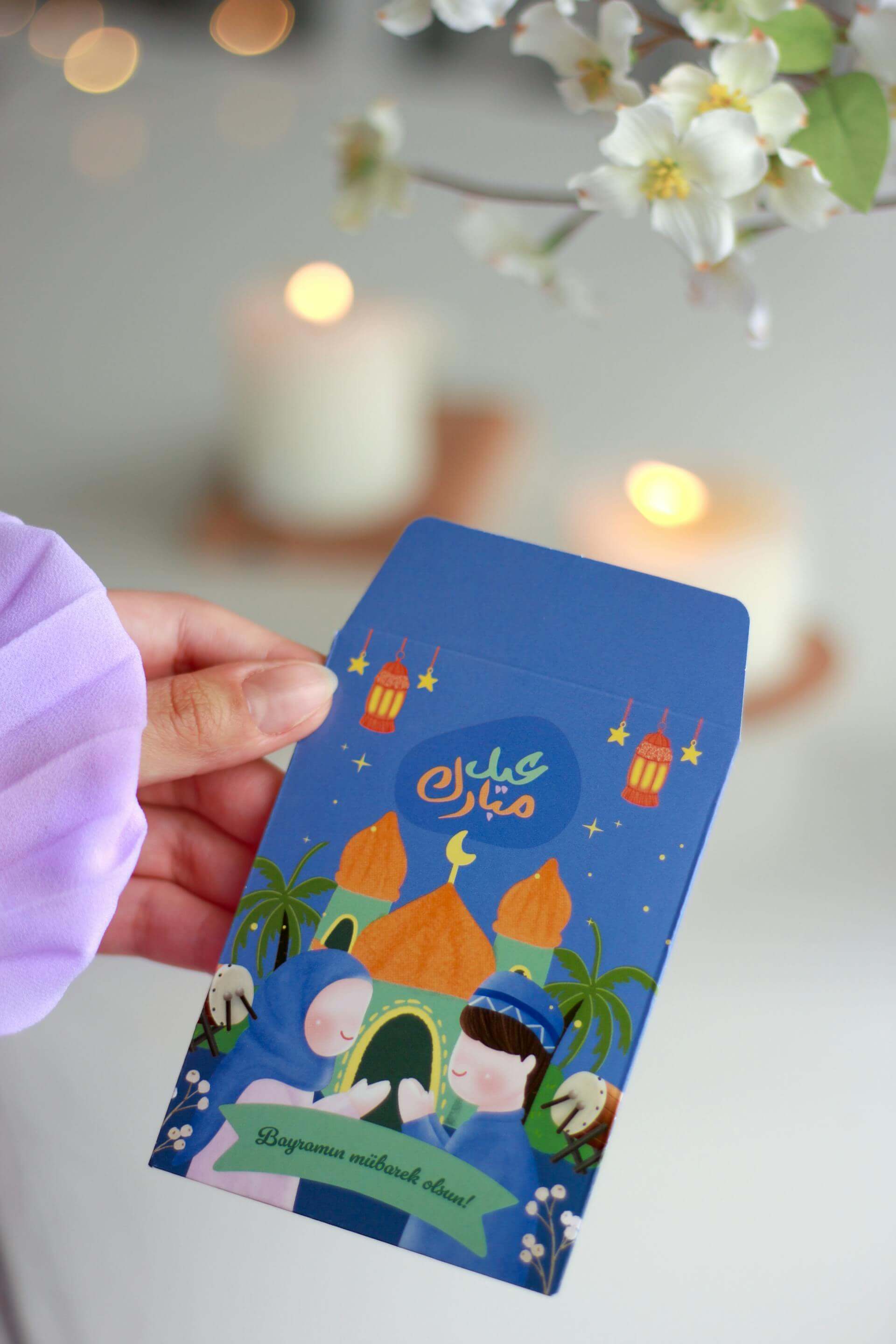
Eid al-Fitr is a joyous religious and social occasion that marks the end of the holy month of Ramadan. Families and friends come together to celebrate, and Saudi Arabia stands out as a prime tourist destination during this time. With its diverse attractions ranging from historical sites to natural wonders and entertainment hubs, the Kingdom offers an unforgettable holiday experience. In this article, we’ll explore the best tourist destinations and activities to enjoy during Eid al-Fitr 2025.
As the capital of Saudi Arabia, Riyadh is a city that blends modernity with tradition. It boasts a variety of tourist attractions, including:
A breathtaking natural wonder offering stunning views from the top of the Tuwaiq Escarpment.
A historic castle dating back to the 19th century, symbolizing the unification of the Kingdom.
A skyscraper featuring a luxury shopping mall, fine dining restaurants, and panoramic city views.
A must-visit for history enthusiasts, showcasing Saudi Arabia’s rich heritage from ancient times to the modern era.
Known for its stunning beaches and rich culture, Jeddah is a perfect destination for Eid celebrations:
A mosque that appears to float on the Red Sea, offering a serene and picturesque setting.
A family-friendly waterfront with restaurants, cafes, and recreational activities.
A UNESCO World Heritage Site featuring traditional houses adorned with intricate wooden balconies (Mashrabiyas).
AlUla is one of Saudi Arabia’s most iconic destinations, combining ancient history with breathtaking landscapes:
An archaeological site with Nabatean tombs carved into rock formations.
A tranquil retreat surrounded by palm trees and natural springs.
A unique rock formation resembling an elephant, perfect for photography.
Abha’s mild climate and stunning scenery make it a favorite for nature lovers:
The highest peak in Saudi Arabia, offering mesmerizing views of mist-covered mountains.
A heritage village showcasing traditional architecture and local crafts.
A family-friendly park with recreational activities and scenic walking trails.
Located off the coast of Jazan, the Farasan Islands are a haven for beach and marine enthusiasts:
Al-Ahsa is renowned for its lush palm groves and rich history, recognized as a UNESCO World Heritage Site:
The largest palm oasis in the world, home to over 2.5 million palm trees.
Natural caves formed by erosion, perfect for exploration.
A traditional market offering local products and handicrafts.
Tabuk, in the north of Saudi Arabia, is known for its historical and natural attractions:
Dammam is famous for its beaches and modern shopping centers:
An artificial island with a zoo, amusement park, and family-friendly activities.
A waterfront area ideal for walking, cycling, and picnics.
One of the largest shopping centers in the region, featuring a variety of stores and restaurants.
Taif’s moderate climate and natural beauty make it a popular destination for families:
Umluj is known for its golden beaches and crystal-clear waters, making it a paradise for beach lovers:
In conclusion, Saudi Arabia is a comprehensive tourist destination offering diverse experiences for all tastes. Whether you’re seeking relaxation on pristine beaches, exploring ancient history, or embarking on natural adventures, Eid al-Fitr 2025 is the perfect opportunity to discover the treasures of the Kingdom. Plan your trip now and create unforgettable memories with your loved ones!
March 20, 2025
In a new step reflecting Saudi Arabia's commitment to achieving the goals of Vision 2030, the Ministry of Environment, Water, and Agriculture announced the launch of five major investment opportunities in the agricultural sector in the Al-Baha region. These opportunities, announced through the "Furas" platform, aim to enhance self-sufficiency in agricultural products, increase local production, support food security, and attract both local and international investments.
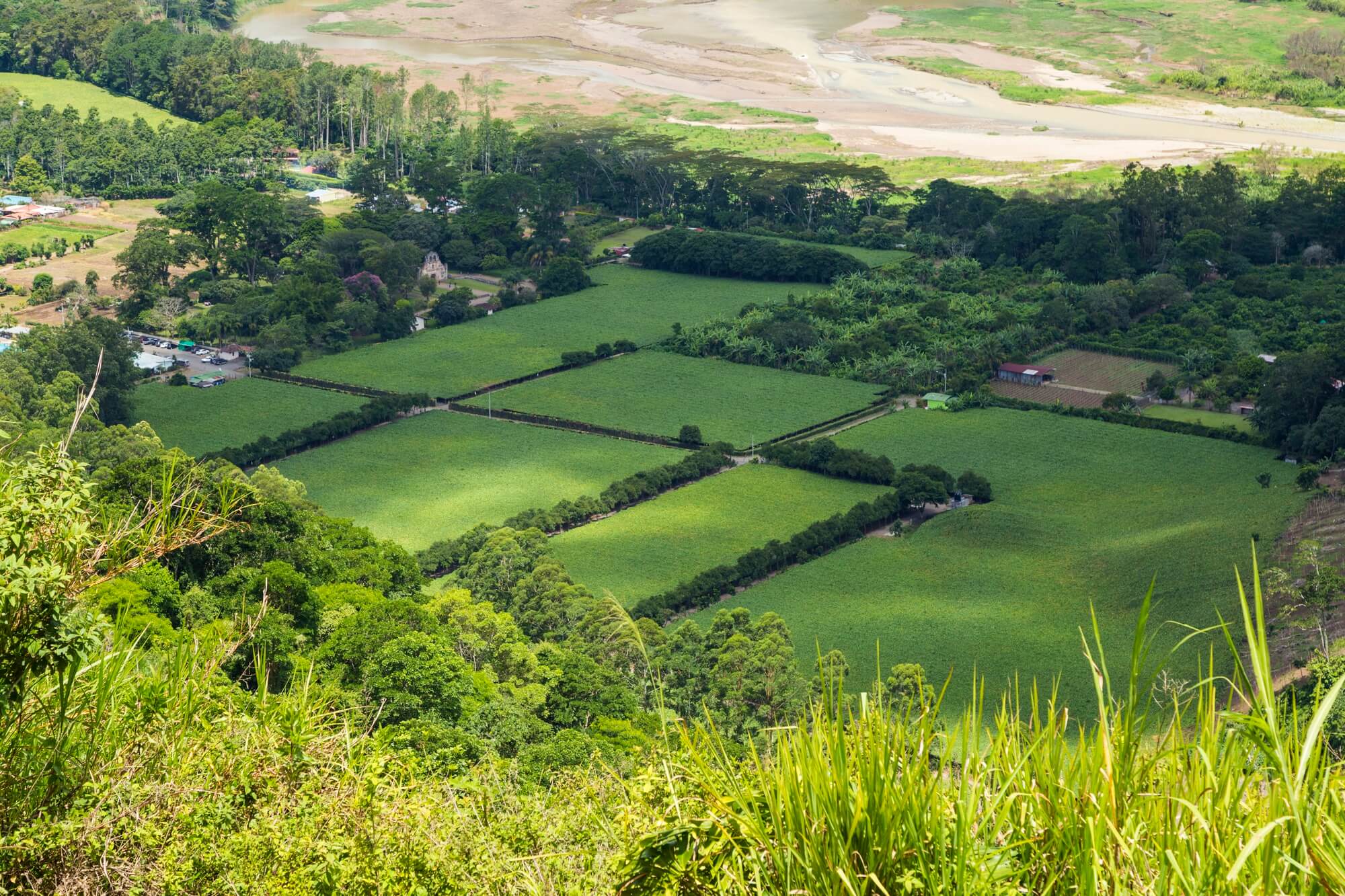
The opportunities include the establishment of an integrated agricultural city dedicated to cultivating prickly pear (cactus fruit), as well as four agricultural cities specialized in growing coffee (Arabica) trees. According to the ministry's statement, over 2.2 million square meters will be allocated for the prickly pear agricultural city, while the coffee cultivation cities will span more than 2.3 million square meters in the Baljurashi governorate of the Al-Baha region, which boasts an ideal climate and environment for these high-quality crops.
Through these projects, the Kingdom aims to achieve several strategic goals, including:
This initiative aligns with the Kingdom's efforts to diversify income sources and reduce dependence on oil, with the agricultural sector being one of the key pillars for achieving this goal. These projects also reflect Saudi Arabia's commitment to sustainable economic development and strengthening its position as a regional hub for agricultural investment.
These investment opportunities represent a significant step towards enhancing the agricultural sector in Saudi Arabia, contributing to food security and supporting the national economy. Through these projects, Saudi Arabia demonstrates its commitment to achieving Vision 2030 by diversifying the economy and creating promising investment opportunities. This move not only supports the agricultural sector but also reinforces the Kingdom's position as a leading investment destination in the region.