Jun 26, 2023
Terms for Selling and Buying Real Estate in Saudi Arabia
Before you commence on any real estate transaction, whether buying or selling, you must familiarize yourself with the laws governing real estate in KSA, as these laws were put in place to guarantee the rights of all the transaction parties, both the seller and the buyer, by detailing the rights and duties of each of them, as well as ensuring the housing eligibility of the property itself.
These laws represent a set of rules governing real estate transactions and everything related to them in the Kingdom of Saudi Arabia, including:
Principles of owning and sorting real estate units.
Provisions governing non-Saudi ownership and investment in real estate.
Conditions of real estate ownership for GCC citizens.
Sorting real estate units
Real estate units are sorted according to the approved national identity of the property, and according to the serial number allocated to it within the forms approved by the Real Estate General Authority.
In order to complete the sorting process, several types of information are required, including the legal or formal title deed, the property information, licenses and authorization, whether it is joint or not, in addition to the cadastral report licensed by the engineering office and approved by the Real Estate General Authority. Also, if the property is under mortgage, the mortgagee’s consent must be secured as well. Of course, all of this must be accompanied by the approval of the community, the owners’ association, or each of the owners.
If the property has been previously sorted, the consent of the previously sorted property owner, or a proof of it, will also be required if the property re-sorting process leads to any change in the ratio of the common parts or the common land area of the sorted property.
After fulfilling these procedures, the sorting or re-sorting request is submitted to the authority to be considered, and to issue the approval document, if approved, which includes all data related to the property and the type of sorting or re-sorting process.
Foreigners’ ownership in the Kingdom of Saudi Arabia
Legal residents of the Kingdom of Saudi Arabia, of any nationality, have the right to own real estate in the Kingdom, as long as they adhere to certain legal standards that have been developed to demonstrate the residents' illegibility to own a property, their rights and duties.
- First, foreigners can own real estate provided they have legal residency in the Kingdom.
- Secondly, foreigners may own the property for the purpose of personal residence, or may rent it as a personal residence, after obtaining a permit from the Ministry of Interior.
This applies to all real estate in Saudi Arabia, except for Makkah and Medina, being subjected to their own set of laws.
Terms of foreigners’ ownership or leasing of real estate units located in Makkah and Medina
Generally, it is not allowed to own or rent Makkah and Medina real estate to foreigners or even non-Saudi establishments, except for the following:
After the amendment implemented on the ownership and investment system for real estate by non-Saudis (pursuant to Royal Decree No. (M / 94) dated 9/15/1439 AH), non-Saudi institutions (whether Gulf-originated or otherwise) may own or rent properties within Makkah or Medina, provided that it falls under the following exemptions:
Banks and real estate finance companies licensed by the Saudi Arabian Monetary Agency (“SAMA”), provided that their acquisition of the property is for the purpose of financing Saudi citizens, their offices or branches, or for carrying out their activities in accordance with the regulations set by the Saudi Arabian Monetary Agency.
Listed companies that do not engage in real estate activities, provided that the property is fully allocated to their offices or branches, or to carry out their activities in accordance with the rules defined by the Capital Market Authority (“CMA”), or other entities determined by the Council of Ministers.
As for holders of the Saudi Premium Residency, according to the regulations corresponding to Article 2, non-Saudi citizens who own Premium Residency may obtain a usufruct right over properties adjacent to Makkah and Medina for 99-year period of time.
As for the regulations governing property ownership by non-Saudi nationals in the Kingdom, it stipulates the following:
1- Allowing foreigner residents to own properties for the sole reason of residence. Also, he must obtain a license from the Ministry of Interior, and his request must be subjected to certain conditions, namely:
- He must have a valid residence permit, and its validity must not be expired.
- He must also provide all information about the property.
In addition, a copy of the title deed must be provided.
If a resident is allowed to own a property, he can own only one property.
- Of course, the non-Saudis resident applying to own a property must have a clean record and must not be wanted to justice.
2- If the property is designated for investment, the cost of the project land plot must not be less than 30 million SAR, and the Council of Ministers has the right to amend this amount when it deems it appropriate. Also, it is required that the investment process takes place within 5 years of obtaining the ownership.
3- As for foreign entities, international and regional institutions, in addition to the aforementioned regulations, they are required to obtain a license from the Minister of Foreign Affairs, in accordance with the reciprocity principle in foreign transactions.
The rules governing property ownership by GCC citizens in KSA:
1- GCC citizens are more privileged when it comes to property ownership in KSA, as they are allowed to own up to three properties in residential areas, provided that the area of the property does not exceed 3,000 sqm. However, the competent authorities have the right to allow the ownership of more than three properties if they deem it appropriate.
2- GCC citizens are allowed to own property for residential purposes, either for the owner or his family, but they do not have the right to use any of their properties otherwise, unless permitted by the laws of the country.
3- GCC citizens licensed to practice various economic crafts and activities which are authorized to be carried out, now or in the future within GCC, are allowed to own properties.
4- GCC citizens, who meet the basic prerequisites, are allowed to rent and use the land. They also retain the freedom to dispose of this right by selling and mortgaging in accordance with what is required by the laws of the Kingdom.
5- As for the properties located within the borders of Makkah and Medina, they are excluded from the provisions listed here.
6- These provisions do not, in any way, fall into conflict with the state's right to expropriate the property for the public interest, in return for fair compensation for the owner according to the applicable laws.
Conditions for GCC citizens’ ownership of property in Saudi Arabia:
1- The purpose of ownership must be residential for the owner or his family, and he is not entitled to use the property otherwise, unless the state laws permit that.
2- If the property is a land plot, the owner must start the construction operations within the limits of three years from the date of registering the ownership, and the construction must be completed within five years from this date. Exceeding this period may expose the property to confiscation and sale, (in this case the owner will be compensated if there proved to be a compelling reason for the delay in construction).
3- The property owner is not entitled to transfer its ownership until four years have passed from the date of its registration to his name. Some exceptions may be made if the owner obtains prior permission from the competent authorities.
4- As for GCC citizens licensed to practice various economic crafts and activities which are authorized to be carried out, now or in the future, within GCC, they are allowed to own properties according to the following conditions:
1- That the property be allocated for the practice of the permitted and licensed profession, craft, or activity.
2- That the property area size be compatible with the requirements of the profession, craft, or activity the owner wishes to practice, as determined by the competent authority in KSA.
3- Not to dispose of the property by transferring its ownership, except after quitting the profession, craft, or activity for which they basically purchased the property, or if they change their place of work.
To read more blogs on real estate related topics, go to the Related Blogs section at Mada Properties.
Stay informed with expert-written articles and the latest trends in the real estate market.
March 25, 2025
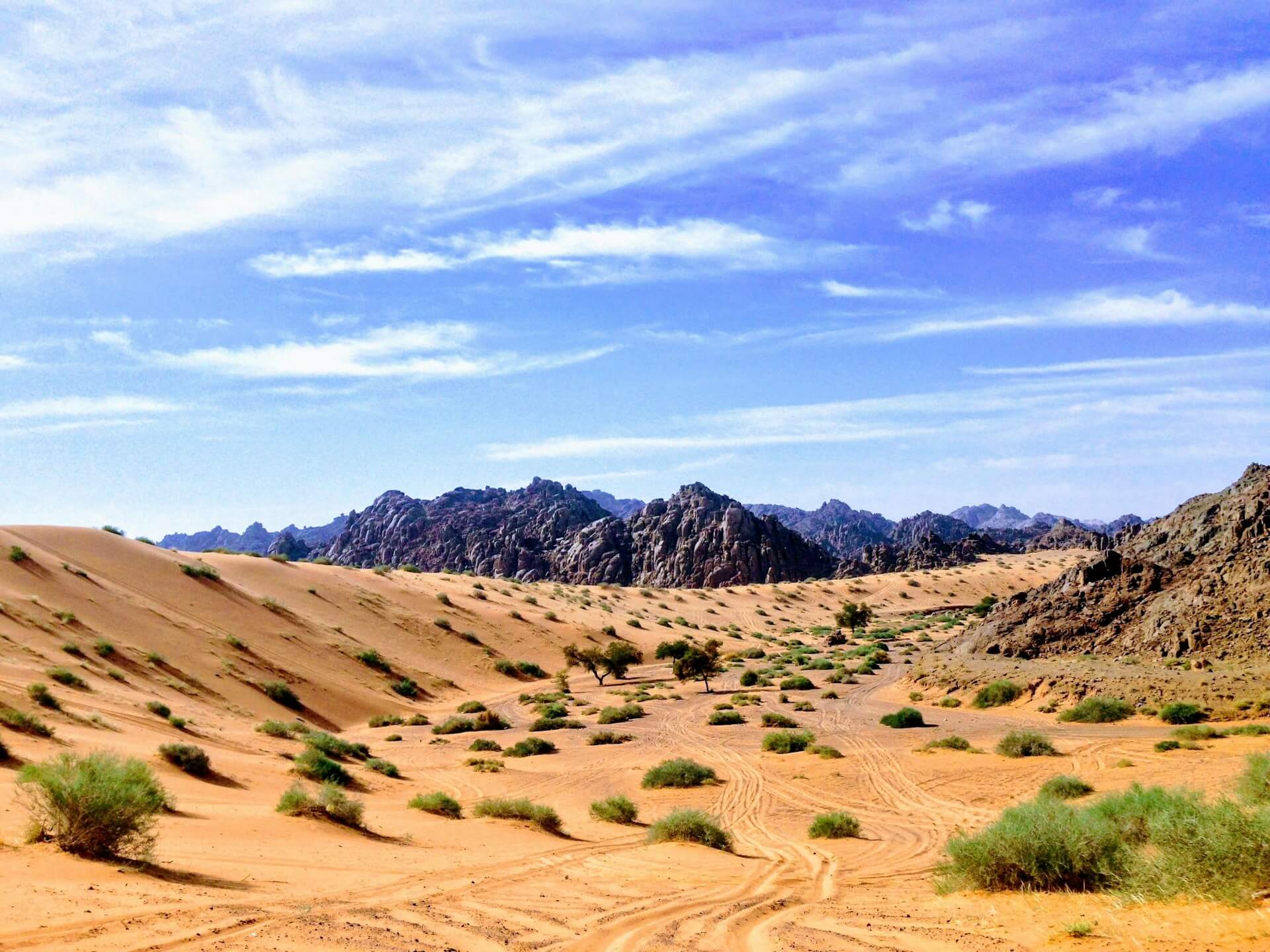
In a move reflecting Saudi Arabia’s commitment to environmental protection and biodiversity conservation, Saudi officials announced the relocation of a global project in the futuristic city of Neom due to the discovery of a rare plant species found exclusively in that location. This decision came under the direct order of HRH Crown Prince Mohammed bin Salman, emphasizing the priority of environmental conservation in Saudi Vision 2030.
During the planning of a luxury resort in one of Neom’s valleys, experts discovered a rare plant species that grows only in that mountainous area and had never been documented elsewhere in the world. This placed the team in a difficult position: proceed with the massive investment project or protect this unique plant.
As recounted by Prince Abdulaziz bin Turki Al-Faisal, Saudi Minister of Sports, on the program "Hikayat Waad" on MBC, the Crown Prince immediately ordered the project to be relocated and the original site to be turned into a natural reserve to protect the plant. The species was officially registered under the name "Neom", honoring the project that sacrificed financial gains for environmental preservation.
Neom adopts a unique environmental philosophy, aiming to dedicate 95% of its land as protected natural reserves, making it a model for sustainable development that balances urbanization and nature conservation. Key initiatives include:
The Neom plant story is not the only example of Saudi leadership’s environmental dedication. Bandar Al-Khorayef, Minister of Industry and Mineral Resources, shared another instance where the Crown Prince rejected a mining investment in a protected area, humorously remarking:
"Did you search the entire country and only find this spot?"
This led to a revision of Saudi Arabia’s investment map to exclude protected zones.
The story of the rare Neom plant is not just an isolated event but a powerful statement from Saudi Arabia that true development does not come at nature’s expense. While other nations prioritize short-term economic gains over the environment, the Kingdom sets a global example in combining economic growth with ecological sustainability, reinforcing its role as a pioneer in protecting the planet for future generations.
March 23, 2025
Eid al-Fitr is a joyous religious and social occasion that marks the end of the holy month of Ramadan. Families and friends come together to celebrate, and Saudi Arabia stands out as a prime tourist destination during this time. With its diverse attractions ranging from historical sites to natural wonders and entertainment hubs, the Kingdom offers an unforgettable holiday experience. In this article, we’ll explore the best tourist destinations and activities to enjoy during Eid al-Fitr 2025.
As the capital of Saudi Arabia, Riyadh is a city that blends modernity with tradition. It boasts a variety of tourist attractions, including:
A breathtaking natural wonder offering stunning views from the top of the Tuwaiq Escarpment.
A historic castle dating back to the 19th century, symbolizing the unification of the Kingdom.
A skyscraper featuring a luxury shopping mall, fine dining restaurants, and panoramic city views.
A must-visit for history enthusiasts, showcasing Saudi Arabia’s rich heritage from ancient times to the modern era.
Known for its stunning beaches and rich culture, Jeddah is a perfect destination for Eid celebrations:
A mosque that appears to float on the Red Sea, offering a serene and picturesque setting.
A family-friendly waterfront with restaurants, cafes, and recreational activities.
A UNESCO World Heritage Site featuring traditional houses adorned with intricate wooden balconies (Mashrabiyas).
AlUla is one of Saudi Arabia’s most iconic destinations, combining ancient history with breathtaking landscapes:
An archaeological site with Nabatean tombs carved into rock formations.
A tranquil retreat surrounded by palm trees and natural springs.
A unique rock formation resembling an elephant, perfect for photography.
Abha’s mild climate and stunning scenery make it a favorite for nature lovers:
The highest peak in Saudi Arabia, offering mesmerizing views of mist-covered mountains.
A heritage village showcasing traditional architecture and local crafts.
A family-friendly park with recreational activities and scenic walking trails.
Located off the coast of Jazan, the Farasan Islands are a haven for beach and marine enthusiasts:
Al-Ahsa is renowned for its lush palm groves and rich history, recognized as a UNESCO World Heritage Site:
The largest palm oasis in the world, home to over 2.5 million palm trees.
Natural caves formed by erosion, perfect for exploration.
A traditional market offering local products and handicrafts.
Tabuk, in the north of Saudi Arabia, is known for its historical and natural attractions:
Dammam is famous for its beaches and modern shopping centers:
An artificial island with a zoo, amusement park, and family-friendly activities.
A waterfront area ideal for walking, cycling, and picnics.
One of the largest shopping centers in the region, featuring a variety of stores and restaurants.
Taif’s moderate climate and natural beauty make it a popular destination for families:
Umluj is known for its golden beaches and crystal-clear waters, making it a paradise for beach lovers:
In conclusion, Saudi Arabia is a comprehensive tourist destination offering diverse experiences for all tastes. Whether you’re seeking relaxation on pristine beaches, exploring ancient history, or embarking on natural adventures, Eid al-Fitr 2025 is the perfect opportunity to discover the treasures of the Kingdom. Plan your trip now and create unforgettable memories with your loved ones!
March 20, 2025
In a new step reflecting Saudi Arabia's commitment to achieving the goals of Vision 2030, the Ministry of Environment, Water, and Agriculture announced the launch of five major investment opportunities in the agricultural sector in the Al-Baha region. These opportunities, announced through the "Furas" platform, aim to enhance self-sufficiency in agricultural products, increase local production, support food security, and attract both local and international investments.
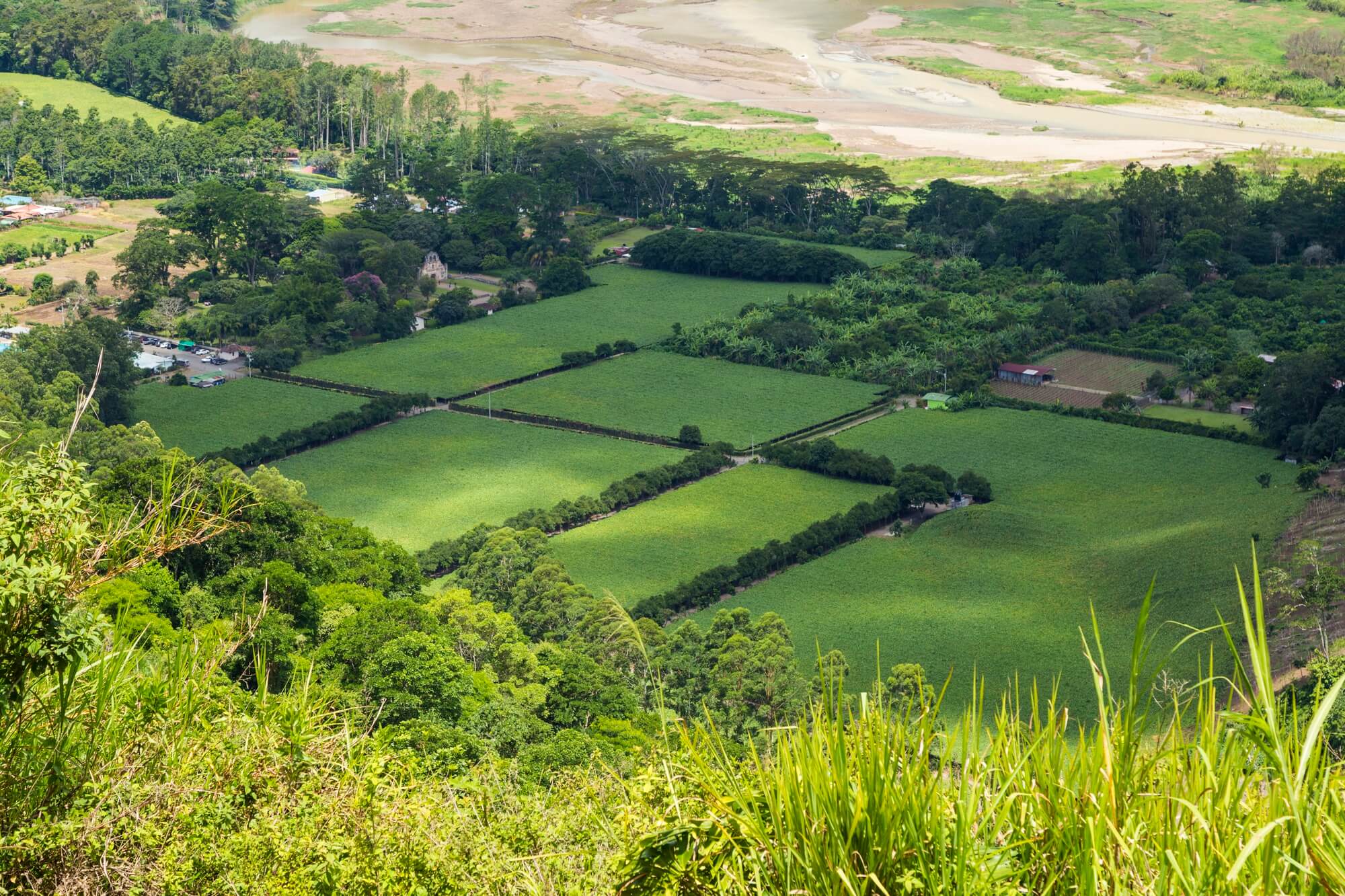
The opportunities include the establishment of an integrated agricultural city dedicated to cultivating prickly pear (cactus fruit), as well as four agricultural cities specialized in growing coffee (Arabica) trees. According to the ministry's statement, over 2.2 million square meters will be allocated for the prickly pear agricultural city, while the coffee cultivation cities will span more than 2.3 million square meters in the Baljurashi governorate of the Al-Baha region, which boasts an ideal climate and environment for these high-quality crops.
Through these projects, the Kingdom aims to achieve several strategic goals, including:
This initiative aligns with the Kingdom's efforts to diversify income sources and reduce dependence on oil, with the agricultural sector being one of the key pillars for achieving this goal. These projects also reflect Saudi Arabia's commitment to sustainable economic development and strengthening its position as a regional hub for agricultural investment.
These investment opportunities represent a significant step towards enhancing the agricultural sector in Saudi Arabia, contributing to food security and supporting the national economy. Through these projects, Saudi Arabia demonstrates its commitment to achieving Vision 2030 by diversifying the economy and creating promising investment opportunities. This move not only supports the agricultural sector but also reinforces the Kingdom's position as a leading investment destination in the region.